
How to Stage Your Home for Sale UK: Complete Guide to Maximum Price. Learn professional home staging tips to sell your UK property faster and for more money. Expert advice on room-by-room staging, costs, and proven techniques.
Why Home Staging Matters in the UK Property Market
Your home’s first impression can make or break a sale. In today’s competitive UK property market, buyers form opinions within seconds of walking through your front door. Home staging transforms your property from a lived-in space into a desirable product that buyers can envision as their future home.
Recent data from the National Association of Estate Agents shows that staged homes sell 73% faster than non-staged properties. More importantly, they achieve sale prices that are 5-15% higher than comparable unstaged homes. This means a £300,000 property could potentially sell for £15,000 to £45,000 more with proper staging.
The psychology behind staging is simple yet powerful. When buyers view a cluttered, personalized space, they struggle to imagine their own belongings and lifestyle fitting in. Staging removes these mental barriers by creating neutral, aspirational spaces that feel both welcoming and move-in ready.
The Financial Impact of Professional Staging
Understanding the property staging cost versus return on investment helps you make informed decisions about your staging budget. Professional staging typically costs between £1,500 and £4,000 for an average UK home, depending on the property size and level of service required.
Return on Investment Breakdown
For a typical three-bedroom house valued at £350,000:
- Professional staging cost: £2,500
- Average price increase: 8% (£28,000)
- Net profit after staging costs: £25,500
- Time on market reduction: 30-45 days
Even modest staging efforts yield significant returns. A £500 investment in decluttering, deep cleaning, and minor improvements often generates £5,000 to £10,000 in additional sale value.
The speed factor matters too. Properties that sell quickly avoid price reductions and carrying costs like mortgage payments, council tax, and utility bills. A home that sells 30 days faster saves approximately £1,200 in holding costs for the average UK homeowner.
Essential Staging Principles
Successful home staging follows proven principles that appeal to the broadest range of potential buyers. These fundamentals apply regardless of your property type or budget.
Declutter and Depersonalize
Remove 50% of your belongings to create spacious, uncluttered rooms. Pack away family photos, personal collections, and unique décor items. Buyers need to imagine their own lives in the space, not feel like guests in yours.
Store excess furniture in a garage, shed, or storage unit. Each room should have only essential pieces that highlight the space’s function and flow.
Deep Clean Everything
Professional-level cleaning is non-negotiable. Dirty homes suggest poor maintenance and hidden problems. Focus extra attention on:
- Kitchen appliances and surfaces
- Bathroom grout and fixtures
- Windows and mirrors
- Carpets and hard floors
- Light switches and door handles
Consider hiring professional cleaners for the initial deep clean, then maintain the standard throughout the selling period.
Maximize Natural Light
Bright spaces feel larger and more inviting. Open all curtains and blinds during viewings. Clean windows inside and out. Replace heavy window treatments with light, neutral alternatives.
Add mirrors strategically to reflect light and create the illusion of more space. Position them opposite windows or in darker corners.
Create Neutral Appeal
Bold colors and patterns polarize buyers. Repaint walls in neutral tones like warm whites, soft grays, or gentle beiges. These colors make rooms appear larger and allow buyers to envision their own décor.
Replace colorful or worn carpets with neutral alternatives if your budget allows. Fresh, neutral flooring provides an excellent return on investment.
Room-by-Room Staging Guide
Each room in your home serves a specific purpose and requires targeted staging techniques to maximize its appeal.
Living Areas
Your living room should feel welcoming yet sophisticated. Arrange furniture to create conversation areas and highlight the room’s best features. Remove excess seating and create clear pathways through the space.
Add fresh flowers or plants to bring life to the room. Choose neutral throw pillows and blankets to add texture without overwhelming the space. Ensure adequate lighting with a mix of overhead, table, and floor lamps.
Kitchen Staging
Kitchens sell homes. Clear all countertops except for a few carefully chosen items like a bowl of fresh fruit or a small plant. Store small appliances in cupboards to maximize counter space.
Update cabinet hardware if it’s dated or worn. A £100 investment in new handles and knobs can modernize the entire kitchen. Ensure all appliances are spotlessly clean and in working order.
Bedrooms
Bedrooms should feel like peaceful retreats. Invest in quality bedding in neutral colors. Make beds with crisp linens and add a few decorative pillows. Remove excess furniture to make rooms appear larger.
Ensure adequate lighting for reading and general use. Add bedside lamps if overhead lighting is harsh or insufficient. Keep personal items to a minimum and create clean, organized closet spaces.
Bathrooms
Bathrooms require meticulous attention to cleanliness and detail. Replace worn towels with fluffy, white alternatives. Add a few spa-like touches such as rolled towels, candles, or small plants.
Fix any dripping taps, loose tiles, or other minor issues. These small problems suggest larger maintenance concerns to buyers. Ensure adequate ventilation to prevent moisture and odors.
Outdoor Spaces
Don’t neglect your garden and outdoor areas. Trim overgrown plants, weed flower beds, and ensure the lawn is well-maintained. Clean patios and outdoor furniture. Add colorful plants in pots for instant appeal.
Create defined outdoor living areas with appropriate furniture. Even small spaces can accommodate a bistro set or comfortable seating area that helps buyers envision outdoor entertaining.
Budget-Friendly Staging Solutions
Effective staging doesn’t require a massive budget. Strategic improvements and clever styling can transform your home without breaking the bank.
DIY Staging Essentials
Start with these high-impact, low-cost improvements:
Fresh Paint – A gallon of quality neutral paint costs £30-50 and can transform any room. Focus on high-traffic areas and rooms with bold or dated colors.
Deep Cleaning Supplies – Invest £50-100 in professional-grade cleaning products. The time investment pays dividends in buyer perception.
Lighting Updates – Replace dated light fixtures with modern alternatives from high-street retailers. Budget £100-200 for significant impact.
Soft Furnishings – New throw pillows, blankets, and towels cost £150-300 but instantly refresh your décor.
Borrowing and Renting
Many staging companies offer rental packages for furniture and accessories. This option works well for vacant properties or homes with outdated furnishings.
Borrow items from friends and family to supplement your existing décor. A few well-chosen pieces can elevate your entire staging effort.
Focusing Your Budget
If funds are limited, prioritize the most important areas:
- Kitchen and main living area (60% of budget)
- Master bedroom (20% of budget)
- Main bathroom (15% of budget)
- Curb appeal (5% of budget)
This allocation ensures maximum impact where buyers spend the most time and form lasting impressions.
Professional vs DIY Staging
Deciding between professional staging services and DIY efforts depends on your budget, timeline, and property condition.
When to Hire Professionals
Consider professional staging if:
- Your property is vacant or poorly furnished
- You lack design experience or confidence
- The property has been on the market without offers
- You’re selling a high-value home (£500,000+)
- Time constraints prevent DIY efforts
Professional stagers bring expertise, resources, and objectivity. They understand current design trends and buyer preferences in your local market.
DIY Staging Success
DIY staging works well when:
- Your home is already well-maintained and furnished
- You have good design instincts
- Budget constraints require cost-effective solutions
- You enjoy hands-on projects
Combine DIY efforts with professional advice by hiring a staging consultant for a few hours. They can provide a detailed action plan that you implement yourself.
Hybrid Approach
Many homeowners find success with a hybrid approach. Hire professionals for major decisions like furniture arrangement and color schemes, then handle cleaning, decluttering, and minor improvements yourself.
This strategy provides professional guidance while controlling costs. It’s particularly effective for homes that need moderate staging rather than complete transformation.
Common Staging Mistakes to Avoid
Even well-intentioned staging efforts can backfire if you make these common mistakes.
Over-Personalizing the Space
Resist the urge to showcase your personality through décor. Buyers need to envision their own lives in the space, not admire your taste. Keep personal items, family photos, and unique collections packed away.
Religious or political items can alienate potential buyers. Create a neutral environment that appeals to the broadest possible audience.
Ignoring Maintenance Issues
Staging cannot hide fundamental problems. Address any maintenance issues before focusing on cosmetic improvements. Buyers notice:
- Dripping taps and running toilets
- Squeaky doors and loose handles
- Cracked tiles or damaged walls
- Burnt-out light bulbs
- Musty odors or poor ventilation
These issues suggest poor maintenance and can derail sales negotiations.
Overdoing the Décor
Less is more in staging. Avoid cluttering surfaces with too many accessories. Each decorative item should serve a purpose and contribute to the overall aesthetic.
Stick to the “rule of three” when arranging accessories. Group items in odd numbers for visual appeal, but don’t overdo it.
Neglecting Curb Appeal
First impressions start at the street. Ensure your property’s exterior is as appealing as the interior. Simple improvements like:
- Fresh front door paint
- Clean windows and gutters
- Trimmed hedges and weeded gardens
- Clear pathways and driveways
- Working outdoor lighting
These details set expectations before buyers enter your home.
Timing Your Staging Strategy
Strategic timing maximizes your staging investment and ensures your home shows at its best throughout the selling process.
Pre-Market Staging
Complete staging before your property hits the market. This approach ensures professional photography captures your home at its best and creates strong first impressions for online listings.
Most buyers form opinions based on online photos. Poor initial images can prevent viewings, regardless of how well you stage later.
Seasonal Considerations
Different seasons require adjusted staging strategies:
Spring/Summer – Emphasize outdoor spaces and natural light. Add fresh flowers and ensure gardens are well-maintained.
Autumn/Winter – Create cozy, warm atmospheres with appropriate lighting and textures. Ensure heating systems work efficiently and homes feel comfortable during viewings.
Maintaining Standards
Staging isn’t a one-time effort. Maintain your staged environment throughout the selling period. This means:
- Daily tidying and cleaning
- Fresh flowers weekly
- Seasonal décor updates
- Immediate attention to any damage or wear
Consistency ensures every viewing showcases your home at its best.
Working with Estate Agents
Your estate agent plays an important role in your staging success. Professional agents understand local buyer preferences and can provide valuable staging guidance.
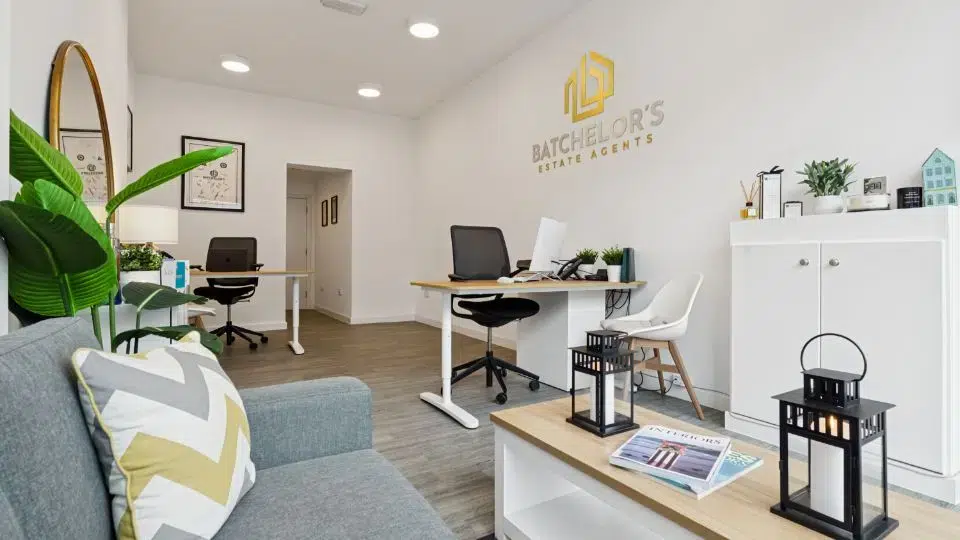
Experienced estate agents like those at Batchelor’s Estate Agents often provide staging advice as part of their comprehensive service. They understand what appeals to buyers in your specific area and price range.
Collaborative Approach
Work with your agent to:
- Identify your property’s strongest selling points
- Understand local buyer demographics and preferences
- Coordinate staging with photography and marketing
- Adjust staging based on viewer feedback
- Maintain staging standards throughout the selling process
Professional Photography
Ensure your staging efforts are captured professionally. High-quality photos are essential for online marketing success. Coordinate with your estate agent to schedule photography after staging completion.
Professional photographers understand how to showcase staged spaces effectively. They use lighting and angles that highlight your staging efforts and create compelling online listings.
When you book a valuation with Batchelor’s Estate Agents, their experts can provide specific staging recommendations based on current market conditions and buyer preferences in your area.
FAQs
1. How much does home staging cost in the UK?
Home staging costs typically range from £1,500 to £4,000 for professional services, depending on property size and requirements. DIY staging can cost as little as £200-500 for basic improvements like paint, cleaning supplies, and accessories.
2. How long does it take to stage a home?
Professional staging usually takes 1-3 days for an average home. DIY staging can take 1-2 weeks, depending on the scope of work and your available time. Plan to complete staging before photography and marketing begin.
3. Do staged homes really sell faster?
Yes, staged homes typically sell 73% faster than non-staged properties according to industry data. They also achieve higher sale prices, with increases of 5-15% common in the UK market.
4. What rooms should I prioritize when staging on a budget?
Focus on the kitchen, main living area, and master bedroom first. These spaces have the greatest impact on buyer decisions. Allocate 60% of your budget to kitchen and living areas, 20% to the master bedroom, and 15% to the main bathroom.
5. Can I stage my home while still living in it?
Absolutely. Many homeowners successfully stage occupied homes by decluttering, deep cleaning, and making strategic improvements. Store excess belongings and maintain show-ready conditions throughout the selling period.
6. Should I hire a professional stager or do it myself?
This depends on your budget, skills, and property condition. Professional staging works best for vacant homes, high-value properties, or when you lack design experience. DIY staging can be effective for well-maintained homes with good existing furnishings.
7. How do I know if my staging is working?
Monitor viewer feedback through your estate agent, track online listing engagement, and note any increase in viewing requests or offers. If your home isn’t generating interest within 2-3 weeks, consider adjusting your staging approach.
Staging your home for sale requires planning, effort, and attention to detail, but the investment pays significant dividends. Whether you choose professional services or tackle the project yourself, proper staging helps your property stand out in a competitive market and achieve the best possible sale price. Start with the fundamentals of decluttering and deep cleaning, then build your staging strategy based on your budget and timeline. With the right approach, you’ll create an environment that helps buyers fall in love with your home and motivates them.